FOUNDER’S STORY
THE THREAD MY MOTHER TAUGHT ME TO FOLLOW
"I grew up watching my mother embroider. She'd sit for hours, needle moving in small, deliberate strokes. Every stitch felt personal—like she was writing with thread instead of ink. I didn't have the words for it then. I just knew I never felt that when I looked at the clothes in a store."
The Quiet Extinction
That feeling stayed with me long after I stopped watching her work. As I got older, I started noticing something else: entire art forms were quietly going extinct.
Kantha embroidery from Bengal. Hand block printing from Rajasthan. Techniques that took generations to master, carrying stories specific to the hands and homes that made them.
Somewhere along the way, all of it got pushed into museum glass cases and archive boxes—admired, photographed, rarely worn. Meanwhile, the clothes actually moving off shelves were fast, cheap, and interchangeable. Nothing on the rack was trying to say anything at all.
A Place to Live
That gap bothered me. Still does. So I started Cloy—not to recreate the past, but to give it somewhere to live.
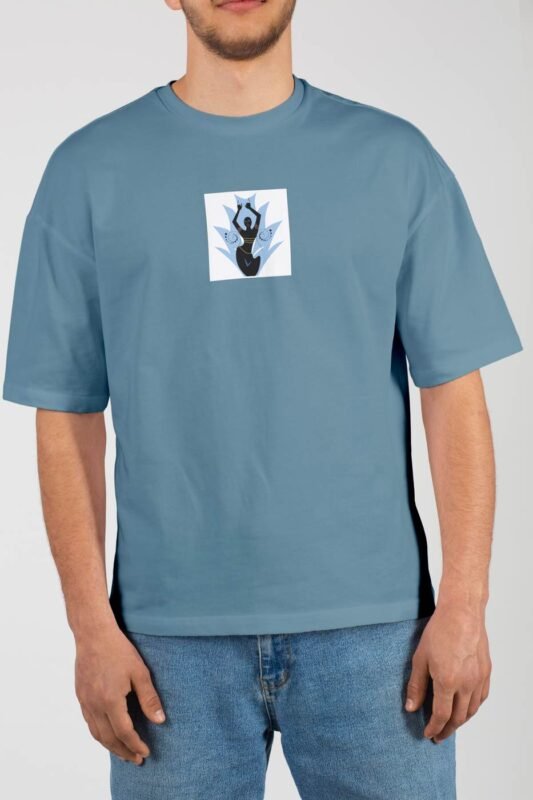
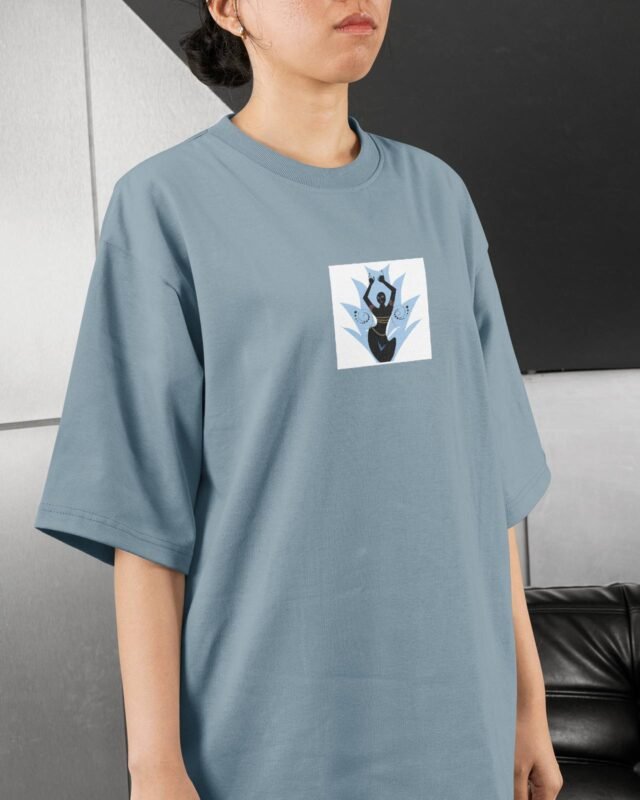
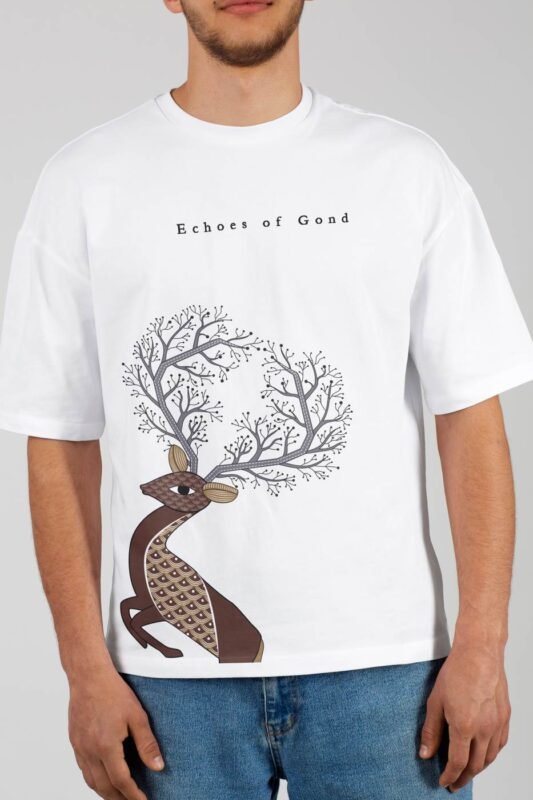
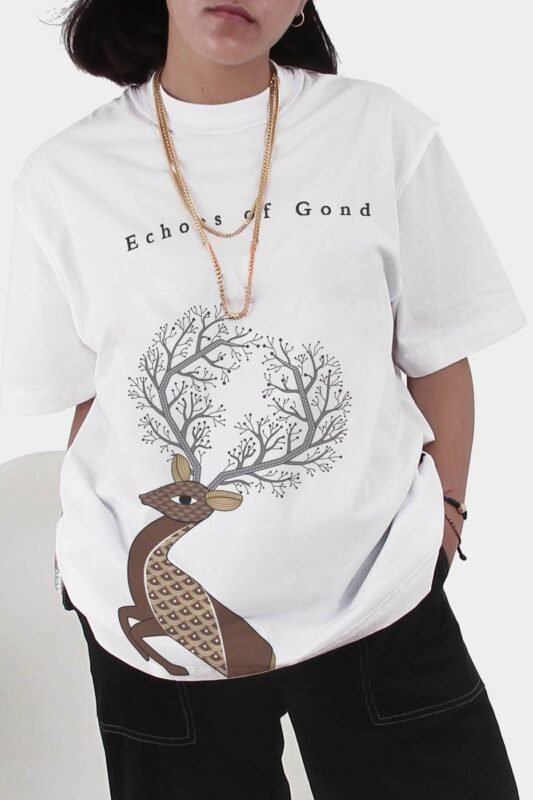
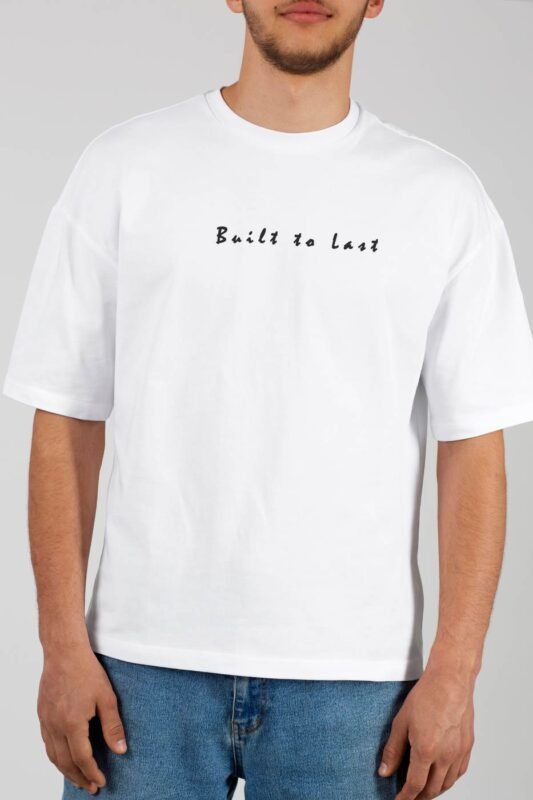
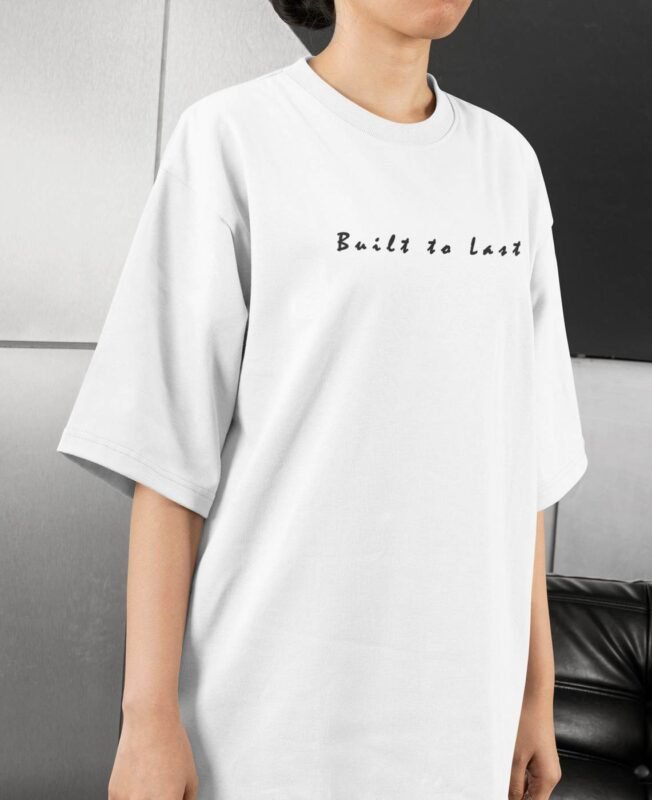
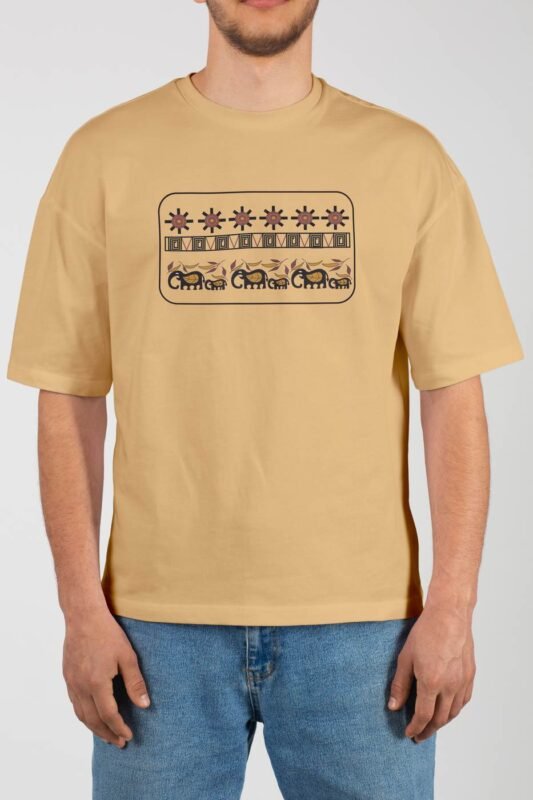
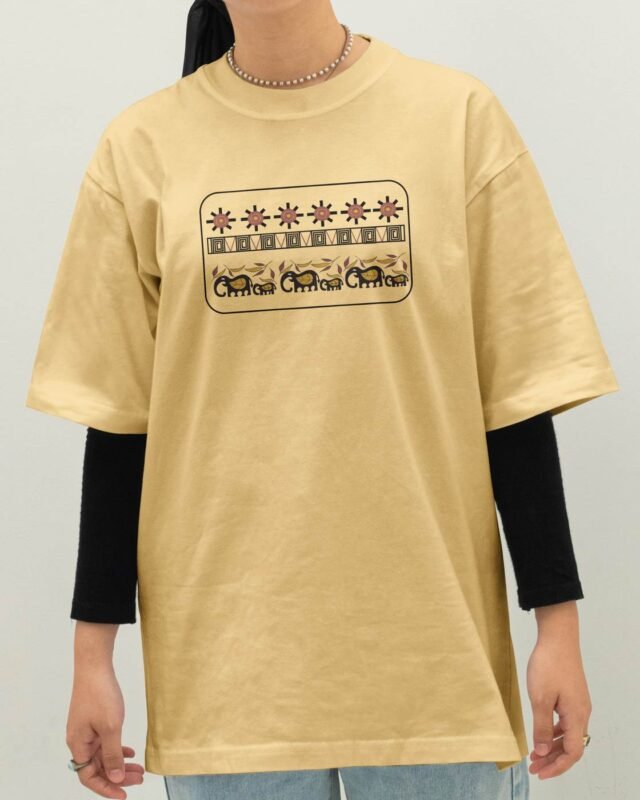
Not museum reproductions. Not a costume. Just clothing that happens to carry real craft inside it: unisex, minimal-yet-bold silhouettes built around original art by emerging artists, each one rooted in a specific regional tradition and reimagined for how people actually dress now.
Every piece has to earn its place. If it doesn't carry a story, it doesn't become a Cloy piece.
THIS IS THE PART I CARE ABOUT MOST: Every design supports the artist behind it. Every sale is one more reason for a fading craft to keep being practiced instead of just preserved. I'm not trying to build a museum you can wear—I'm trying to build a reason for these art forms to stay alive.
"My mother's embroidery was never meant for a glass case. Neither is any of this. It was always writing—just in a language you can wear."
WEAR THE STORIES
Explore our seasonal silhouettes translated from ancient ritual traditions into contemporary everyday wear.